When water damage hits a home or business, the terms that follow can be confusing. Property owners in Stuart, FL and throughout the surrounding area often hear water mitigation and property restoration used interchangeably, but the two describe very different stages of the recovery process. Understanding water mitigation vs. property restoration matters because using the wrong term, or skipping a step, can lead to bigger problems down the road.
Both processes matter. Both happen in a specific order. And both are usually necessary to fully recover a property after water damage occurs.
What Water Mitigation Actually Involves
Water mitigation is the emergency response phase, and it happens immediately after a water event, whether from a burst pipe, storm damage, roof leak, or flooding. The goal is simple: stop the damage from getting worse before it spreads to unaffected areas of the property.
Typical water mitigation steps include the following:
- Extracting standing water as quickly as possible
- Identifying and, when possible, stopping the source of water intrusion
- Setting up industrial drying and dehumidification equipment
- Removing unsalvageable materials, like soaked drywall or insulation
- Protecting unaffected areas of the property from further exposure
- Monitoring moisture levels over several days to confirm materials are fully dry
Mitigation doesn’t repair or rebuild anything. It exists to limit the damage and protect the structure until repairs can begin, and the speed of this response often determines how much of the property can ultimately be saved.
What Property Restoration Involves
Property restoration is the rebuilding phase that follows mitigation. Once a property has been stabilized and dried, restoration focuses on repairing and replacing what was damaged, returning the property to its pre-loss condition — and in some cases improving on it.
Depending on the extent of damage, property restoration in Stuart, FL may include replacing flooring, drywall, insulation, and trim, along with repainting, refinishing, and reconstructing damaged areas. In more serious cases, restoration can involve structural repairs, cabinetry replacement, or a broader rebuild of an affected room or section of the property.
Why Mitigation Must Happen Before Restoration Can Begin
Skipping straight to restoration, or delaying mitigation, almost always leads to bigger problems. Materials that aren’t properly dried can trap moisture, which often results in mold growth, warped flooring, or compromised structural components. Rebuilding over a space that hasn’t been fully mitigated frequently means paying for the same repair twice — once for the initial rebuild and again once hidden moisture problems surface.
The IICRC S500 Standard, the industry standard for professional water damage restoration, outlines the procedures and precautions professionals should follow when responding to water damage in residential, commercial, and institutional buildings. It reinforces the same principle: mitigation and restoration are sequential, connected steps, not interchangeable services.
What Happens When One Step Is Skipped
Property owners sometimes assume that surface-level cleanup is enough, especially when damage appears minor. However, moisture can remain trapped inside walls, subflooring, or insulation long after a space looks dry to the eye. Left unaddressed, this hidden moisture can lead to mold, unpleasant odors, and gradual structural damage that costs significantly more to correct later than it would have during the initial response.
This is one reason building contracting in Stuart, FL often intersects with water mitigation and restoration work, particularly when storm damage or long-term moisture exposure has affected a structure’s framing or support systems. A contractor familiar with both construction and restoration can catch issues that a restoration-only company might miss.
Signs a Property May Need Both Services
Property owners aren’t always sure which service applies to their situation. A few signs typically indicate that both mitigation and restoration will be necessary:
- Standing water or saturated flooring anywhere in the property
- A musty odor that persists after surface cleanup
- Visible warping, staining, or bubbling on walls, ceilings, or floors
- Damage from a storm, roof leak, or plumbing failure that affected more than one room
- Any situation where materials were wet for more than 24 to 48 hours
When any of these signs are present, treating the situation as cleanup alone, rather than a full mitigation and restoration process, often leads to problems resurfacing later.
Why Property Owners Benefit From a Single Team Handling Both
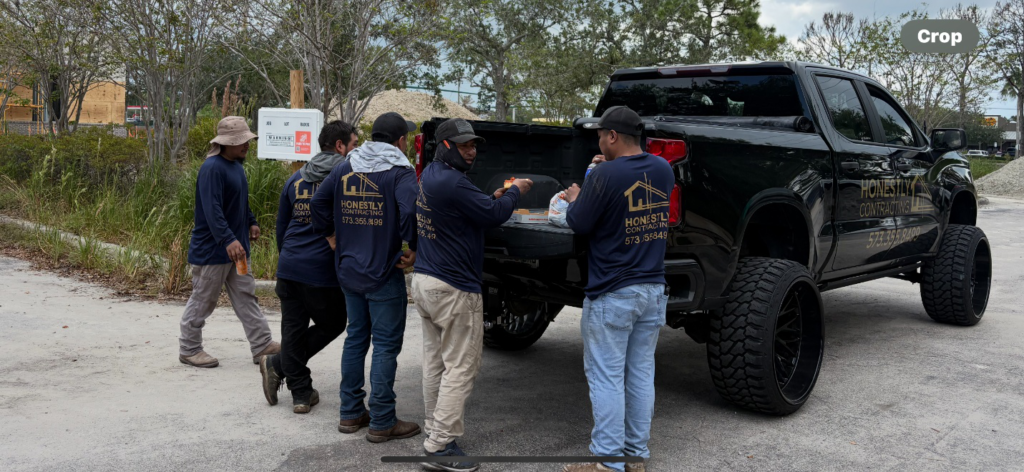
When one team manages both mitigation and restoration, documentation, scope, and communication stay consistent from the first emergency call through the final repair. There’s no handoff between separate companies, no gap in records, and no confusion about what was addressed during each phase. Reviewing examples of completed restoration and rebuild projects can also help property owners understand the scope of work involved before damage occurs.
This approach also benefits commercial construction in Stuart, FL, where property owners often manage multiple buildings or units and need consistent, well-documented processes across every project.
Protect Your Property with Honestly Contracting & Construction
Honestly Contracting & Construction supports property owners through both water mitigation and property restoration in Stuart, FL, and the surrounding area, helping protect a property immediately after damage occurs and rebuilding it correctly afterward. Our team also provides general contracting in Stuart, FL, for larger reconstruction needs following significant water or storm damage, so you’re not left coordinating multiple companies during an already stressful situation.
Contact us today if your property has experienced water damage and you need help understanding the right next steps.