Few things disrupt a home or commercial property faster than an unexpected pest invasion.
From rodents chewing through wiring to termites quietly weakening structural supports, animal infestations can cause damage that is costly, stressful, and often hidden until it becomes severe. Knowing how to respond quickly and strategically is essential for effective property restoration after pest damage.
This in-depth guide walks you through every stage of the restoration process, from initial damage assessment to long-term prevention strategies. Whether you manage a residential property or oversee multiple buildings, these insights will help you restore safety, value, and peace of mind.
Understanding the Real Impact of Pest Damage
Pest damage is rarely limited to what you can see on the surface. Animals such as rats, squirrels, raccoons, termites, and bats can compromise insulation, drywall, roofing, plumbing, and electrical systems. Beyond physical destruction, infestations also introduce health risks through droppings, nesting materials, and bacteria.
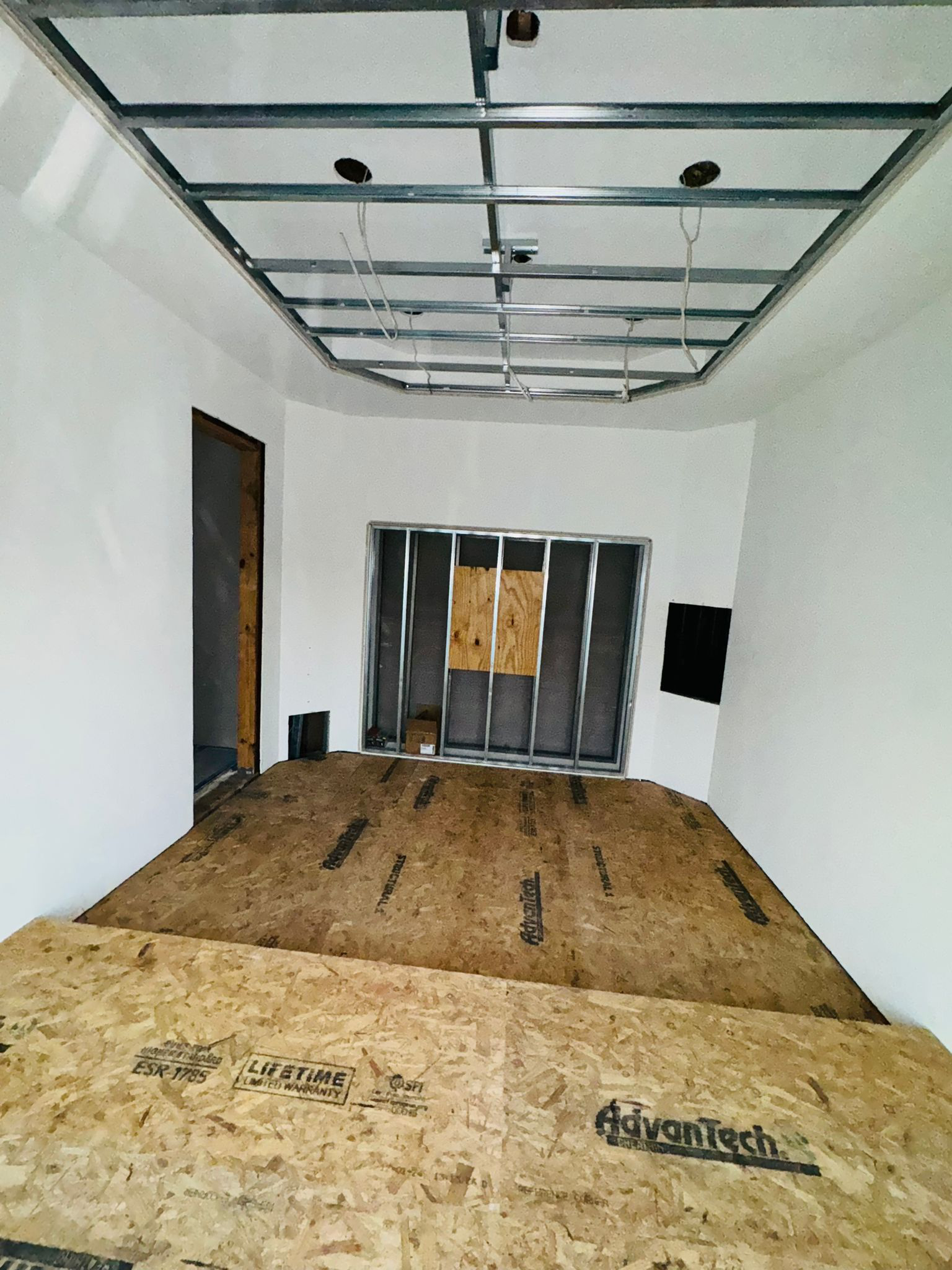
Effective property restoration after pest damage goes beyond patching holes. It requires a comprehensive approach that addresses sanitation, structure, and future risk, often involving general contracting expertise and coordinated property remodeling solutions.
Step One: Conduct a Thorough Damage Assessment
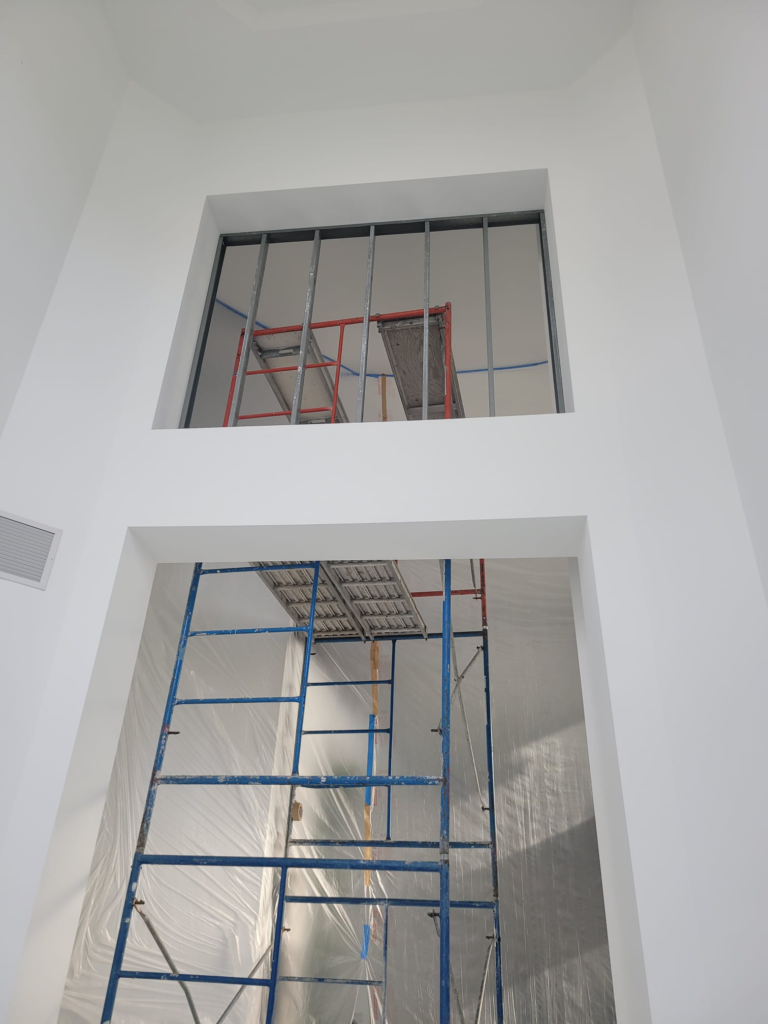
Before any repairs begin, a detailed inspection is critical. This stage determines the scope of restoration and helps avoid costly surprises later.
Key areas to inspect include:
- Attics, crawl spaces, and basements for nesting materials and droppings
- Walls and ceilings for gnaw marks, moisture, or weakened drywall
- Electrical wiring and plumbing lines for chewing or corrosion
- Structural framing for termite or carpenter ant damage
Professional inspectors and residential remodeling contractors can identify both visible and hidden issues, ensuring the restoration plan addresses all affected areas.
Step Two: Prioritize Sanitation and Decontamination
Once pests are removed, sanitation becomes the most urgent task. Animal waste, urine, and nesting debris can contaminate indoor air quality and spread disease if not properly handled.
Effective sanitation typically includes:
- Removal and disposal of contaminated insulation and materials
- Deep cleaning with industrial-grade disinfectants
- Air filtration or odor neutralization when necessary
Skipping this step can undermine the entire restoration effort. Proper sanitation lays the foundation for safe and lasting property restoration after pest damage.
Structural Repairs: Restoring Safety and Stability
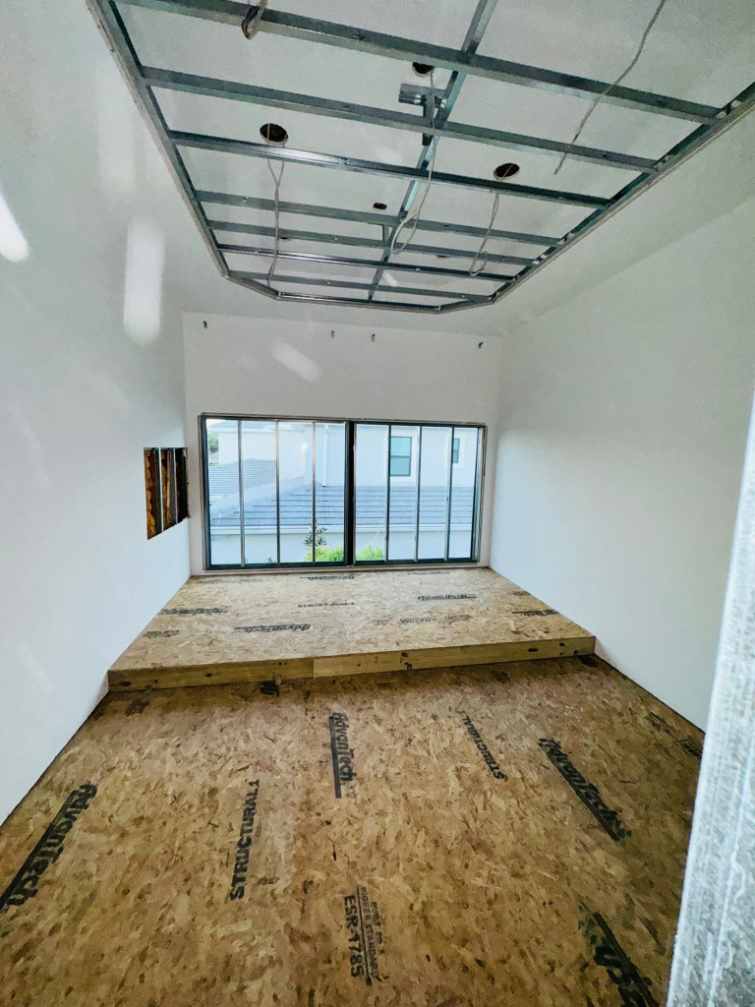
Structural repairs are often the most complex part of the process. Pests can weaken load-bearing components, chew through support beams, or damage roofing systems.
Common structural repairs include:
- Replacing damaged wood framing and subfloors
- Reinforcing areas affected by termites or moisture
- Repairing or rerouting electrical wiring compromised by rodents
- Addressing roof or siding entry points
This phase frequently overlaps with property remodeling, especially if outdated materials are replaced with more durable, pest-resistant options. Skilled general contracting teams ensure repairs meet safety codes and long-term performance standards.
Electrical and Mechanical System Restoration
Rodents are notorious for chewing electrical wires, which significantly increases fire risk. HVAC systems can also be affected when pests nest in ductwork or mechanical areas.
Restoration professionals may:
- Inspect and replace damaged wiring
- Test circuits and electrical panels for safety
- Clean or replace contaminated ductwork
- Seal mechanical entry points
This technical work should always be handled by licensed professionals as part of a coordinated general contracting effort.
Cosmetic Repairs and Interior Restoration
After structural and mechanical systems are secured, attention turns to cosmetic restoration. This stage helps return the property to its original condition or better.
Typical cosmetic repairs include:
- Drywall replacement and painting
- Flooring repair or replacement
- Cabinet, trim, and insulation upgrades
Many property owners choose to integrate property remodeling upgrades during this phase, improving functionality and aesthetics while addressing previous damage.
Smart Prevention Strategies to Avoid Repeat Infestations
Prevention is a crucial component of property restoration after pest damage. Without proactive measures, infestations can recur, undoing restoration efforts.
Effective prevention strategies include:
- Sealing gaps, vents, and rooflines
- Installing pest-resistant insulation and materials
- Improving drainage to reduce moisture attraction
- Scheduling routine inspections
Experienced residential remodeling contractors often incorporate these upgrades into restoration plans, helping protect the property for years to come.
Why Professional Restoration Makes a Difference
DIY fixes may seem cost-effective initially, but incomplete repairs or missed damage can lead to higher expenses later. Professional restoration teams bring expertise, proper equipment, and coordinated project management.
Benefits of professional restoration include:
- Accurate assessment of hidden damage
- Code-compliant repairs and upgrades
- Integrated remodeling and restoration solutions
- Long-term prevention planning
When general contracting and property remodeling are handled together, the result is a safer, more resilient property.
The Role of Remodeling in Pest Damage Recovery
Pest damage often exposes weaknesses in older construction materials or layouts. Restoration presents an opportunity to modernize and improve the property.
Examples include:
- Upgrading insulation to pest-resistant alternatives
- Replacing wood elements with treated or composite materials
- Redesigning storage or attic spacesto reduce nesting opportunities
These improvements not only restore function but also add value, making property remodeling a strategic part of recovery rather than just an expense.
Restore, Reinforce, and Rebuild with Confidence
Property restoration after pest damage is a multi-step process that demands attention to detail, technical skill, and forward-thinking planning. From assessment and sanitation to structural repairs and prevention, each phase plays a critical role in protecting your investment.
If your home or property has suffered pest-related damage, working with a trusted professional makes all the difference. Honestly Contracting & Construction provides tailored property remodeling, property restoration, and construction management services designed to restore safety, functionality, and value.
Serving Jupiter and Stuart, FL, our experienced team combines general contracting expertise with high-quality craftsmanship to deliver lasting results.
Contact Honestly Contracting & Construction today to start your property’s restoration the right way.